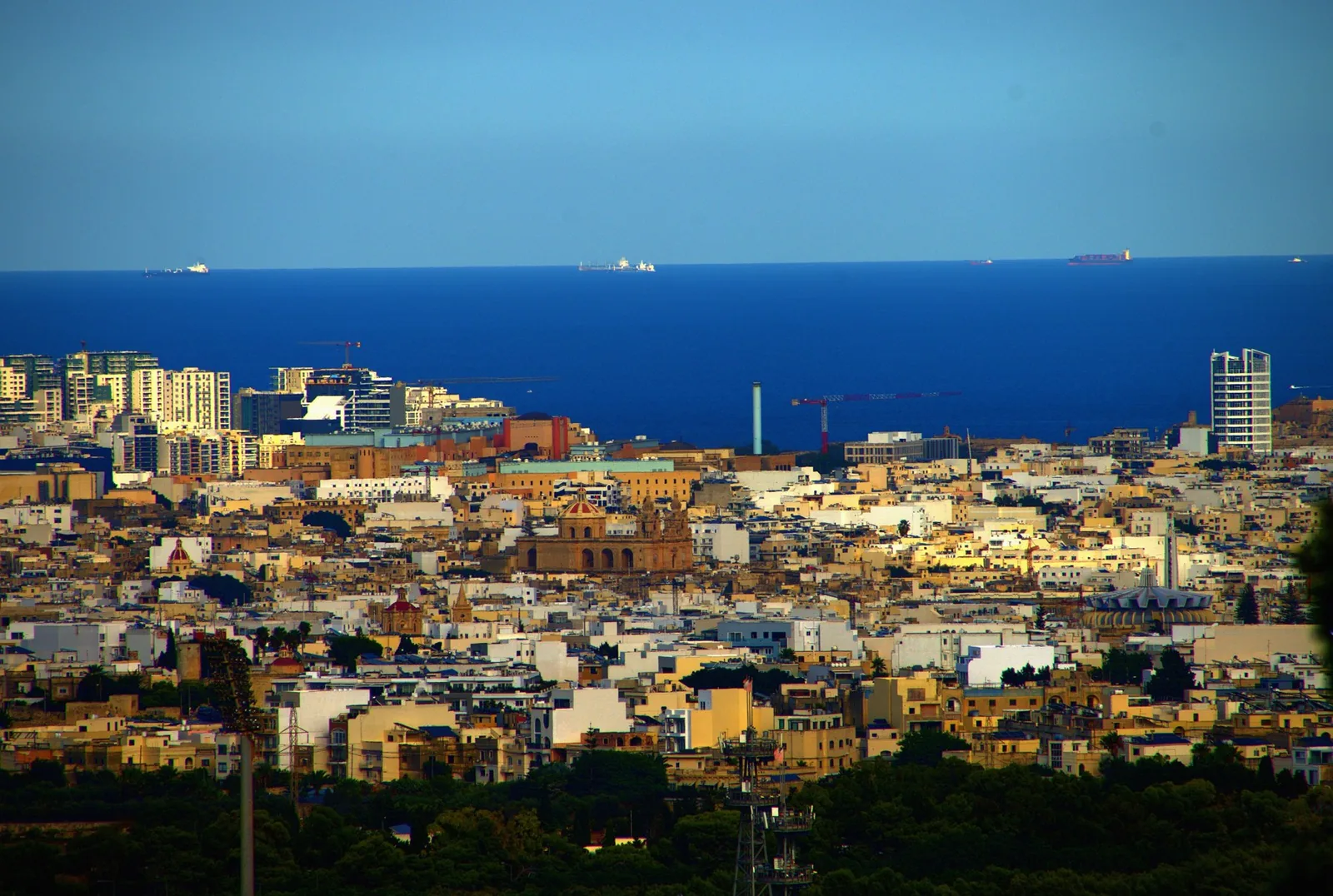
01Golden hour, defined
Golden hour is the window when the sun sits between roughly six degrees above the horizon and four degrees below it. At that angle sunlight travels through far more atmosphere than at noon, and the atmosphere scatters short wavelengths out of it. What reaches your subject is warm, low and soft, with long shadows and a huge amount of modelling. It is not a look you can convincingly add later, because the direction of the light changes too, not just its colour.
The name is misleading. Golden hour is an hour only at temperate latitudes around the equinoxes. Near the equator the sun drops almost vertically and the whole window can be twenty minutes. At high latitudes in summer, the sun grazes the horizon for hours and golden hour can run to two or three; go far enough north in June and it never fully ends. The timeline above shows the real duration for your date and place rather than assuming sixty minutes.
02Blue hour, and why cityscapes are shot in it
Blue hour is the narrower window when the sun sits four to six degrees below the horizon: after golden hour in the evening, before it in the morning. The sun has gone but the upper atmosphere is still lit, and shorter wavelengths dominate, so the sky goes a deep saturated blue that no white balance setting reproduces from a daylight frame.
Its practical value is balance. During blue hour, artificial light (street lamps, windows, signs) sits within a stop or two of the sky's brightness, so you can expose for both in one frame without the sky going black or the windows blowing out. That is the entire reason architectural, real estate and cityscape photographers plan around it. Miss it by twenty minutes and you are compositing two exposures instead of taking one. It typically lasts twenty to thirty minutes at temperate latitudes, so it is a shorter window than golden hour and much less forgiving.
03Planning a shoot around the light
- Arrive an hour early. Golden hour is not the time to be looking for your composition. Be set up and framed before it starts; the good light will not wait while you scout.
- Morning golden hour is the same light with fewer people. Identical quality, roughly reversed direction, and empty locations. It is the single most underused window in landscape and city work.
- Shoot through blue hour into golden, or golden into blue. The same location gives you two completely different sets of images in ninety minutes.
- Check the sun's direction, not just its time. The azimuth figures above tell you where on the horizon it will rise and set, which decides whether your view gets front light, side light or a silhouette. On a north-facing beach in December, a beautiful sunset time is useless.
- Watch the date drift. Sunset can move by two minutes a day around the equinoxes. A location you scouted three weeks ago has a materially different schedule now.
04Frequently asked questions
Rarely. It is an hour only at temperate latitudes around the equinoxes. Near the equator it can be twenty minutes; at high latitudes in summer it can run for hours. The timeline above shows the real duration for your date and place.
After, in the evening; before, in the morning. Blue hour is the sun at four to six degrees below the horizon, once golden hour has ended and before true twilight.
Within about a minute for the sun's true position. They cannot account for your local horizon: hills, trees and buildings hide the sun before the calculated sunset, sometimes by a lot.
No. Everything is computed in your browser from the coordinates you choose. Nothing is sent to a server, and your position is only read if you press the locate button and grant permission.